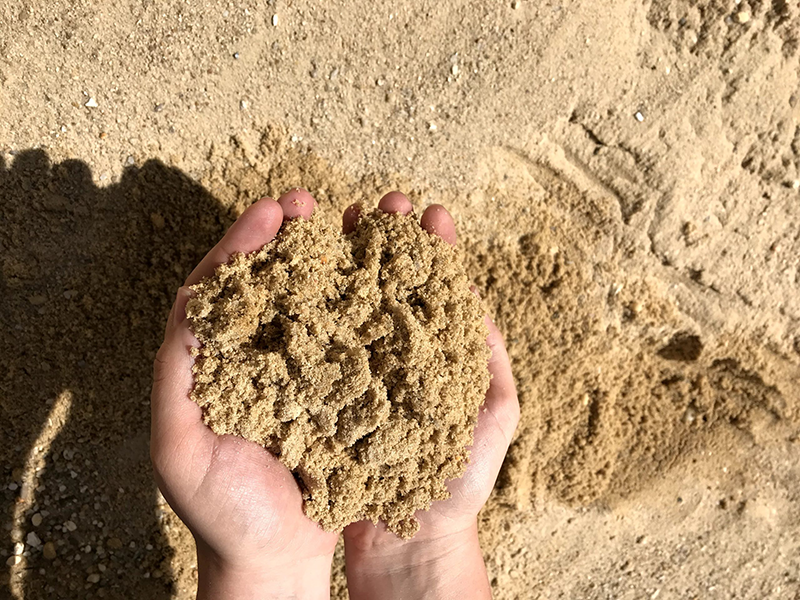
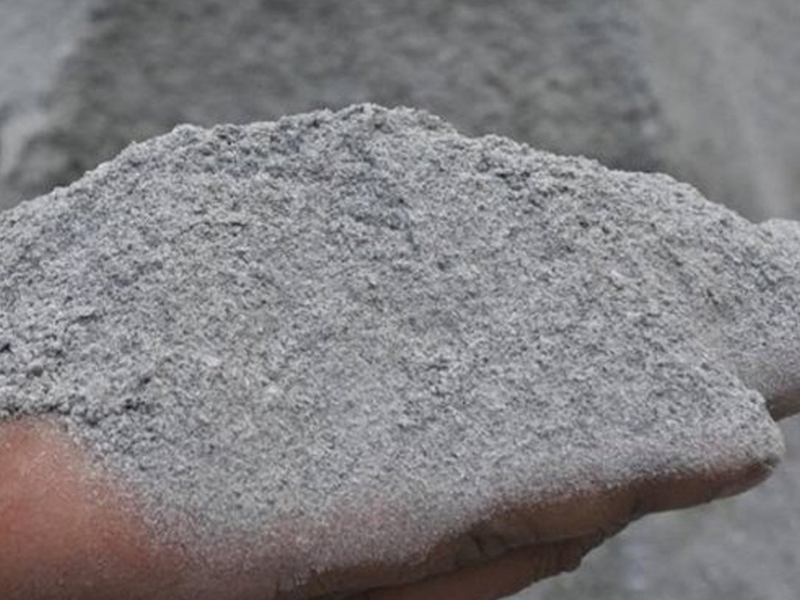
Solution: Dry manufactured-sand production from suitable rock.
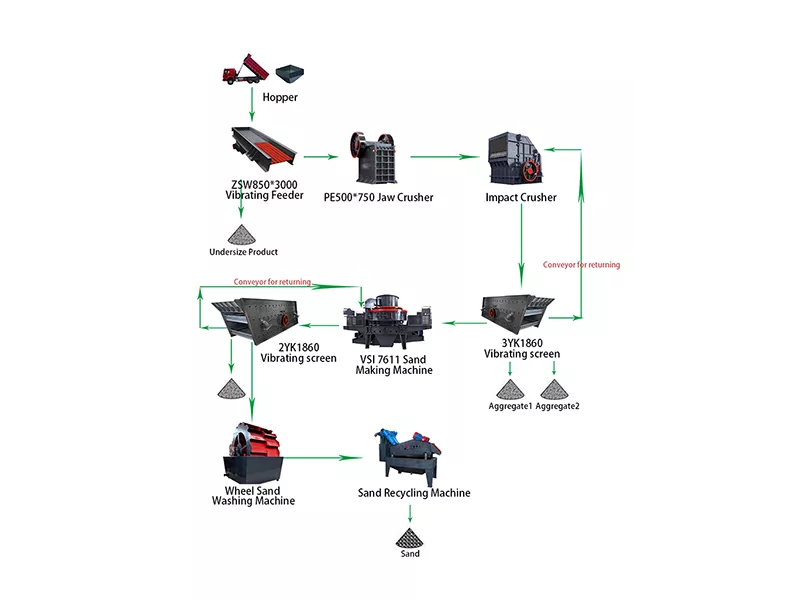
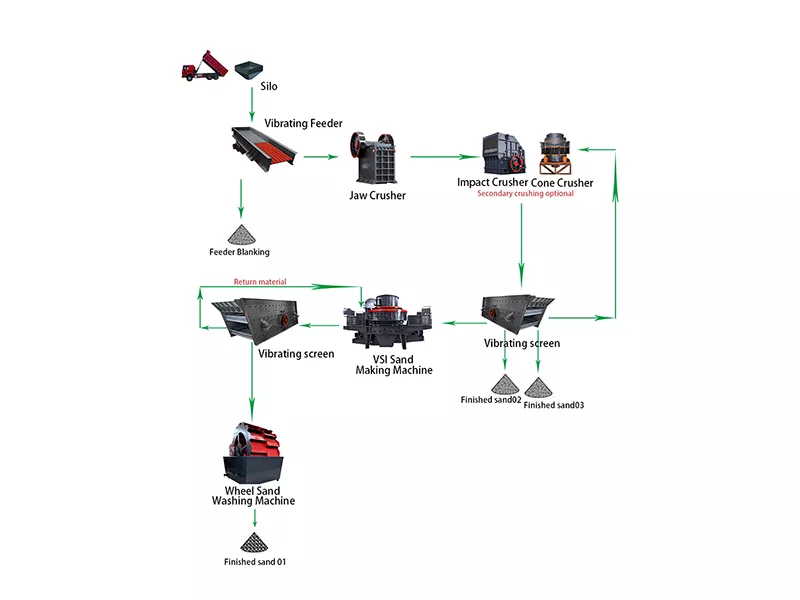
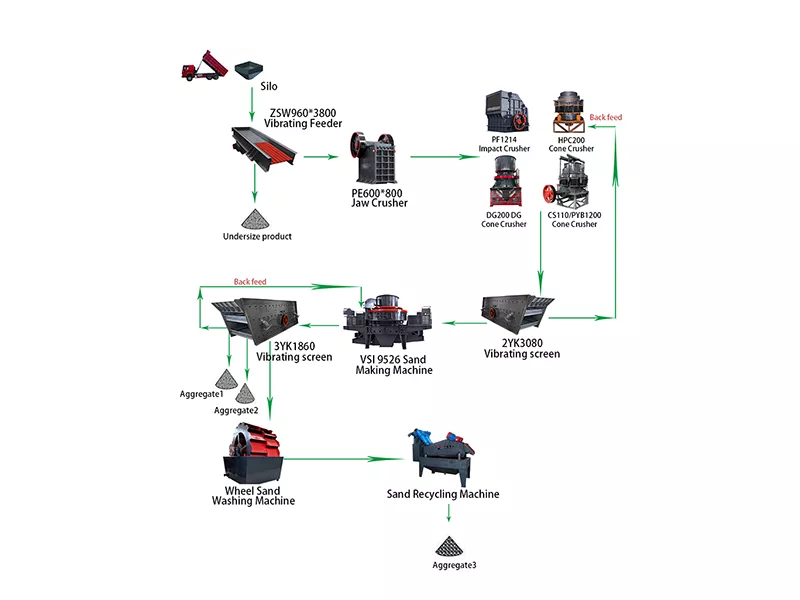
Typical stages: Feeding, crushing as required, VSI sand making, screening and recirculation, with powder classification and dust collection where required.
Design basis: Raw material, feed size, moisture, target grading, powder content and required capacity in t/h.
Manufactured sand is produced by crushing suitable rock and grading the resulting material for its intended use. Dingbo configures the process around the raw material, feed size, target grading and required capacity.
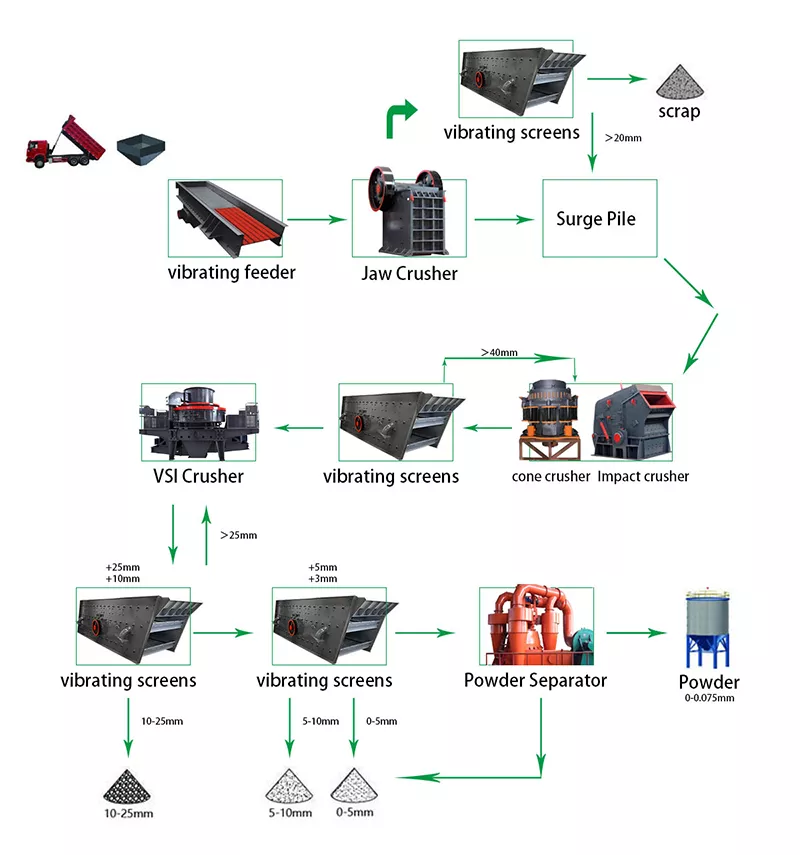
Illustrative process: The diagram shows one possible arrangement. Its equipment stages and size cuts are examples, not a fixed design for every material or project.
Moisture, clay and other impurities affect feeding, screening and dry classification. Some materials may require pretreatment or a washing stage; dry processing is not a universal substitute for washing.
Screening, recirculation and classification are selected together. Provide the required size distribution and powder limits instead of selecting equipment from a nominal capacity alone.
Product classification controls the powder fraction; dust collection addresses airborne dust at equipment and transfer points. The required collection arrangement is part of the project design.
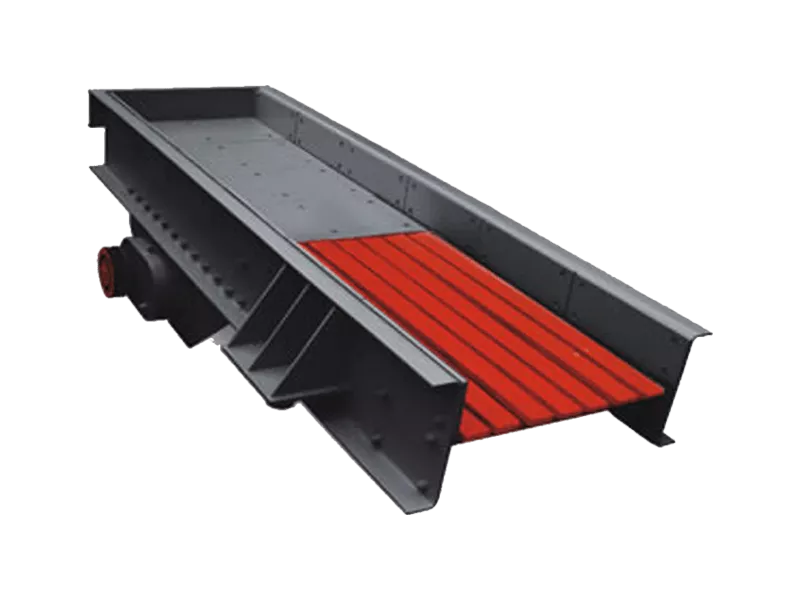
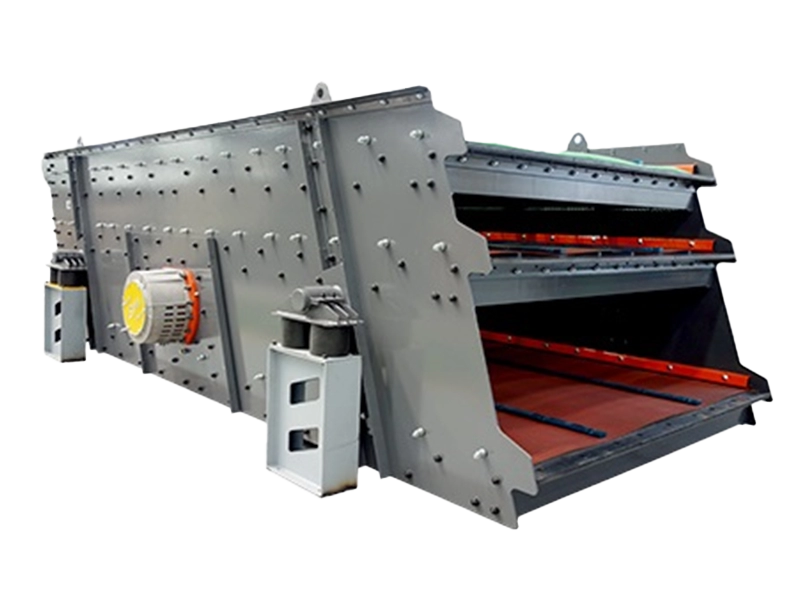
A typical arrangement may include a feeder, primary and secondary crushing, a VSI sand maker, screens and conveying equipment. Powder classification and dust collection are added where required. The final combination depends on the feed and product specification.
That depends on the feed moisture, clay and other impurities, and the required finished-product specification. Review those conditions before choosing dry classification, washing or a combined arrangement.
No. Raw material properties, incoming size distribution, recirculating load and the required grading affect selection. Confirm those inputs before defining equipment models and the operating basis.
Send the rock type, feed size and moisture, clay or impurity information, required product grading and powder content, target capacity in t/h, project location, available layout and electrical supply. Include material test results where available.
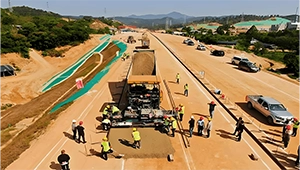
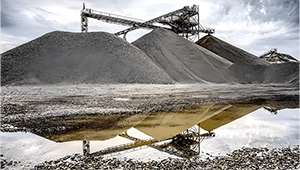
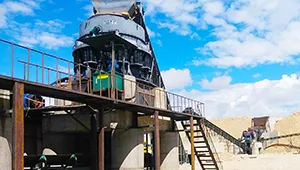
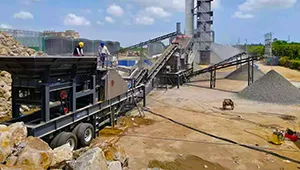
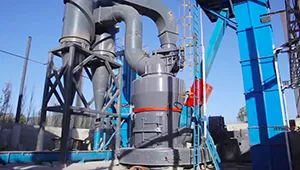
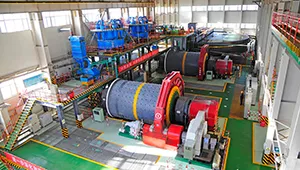
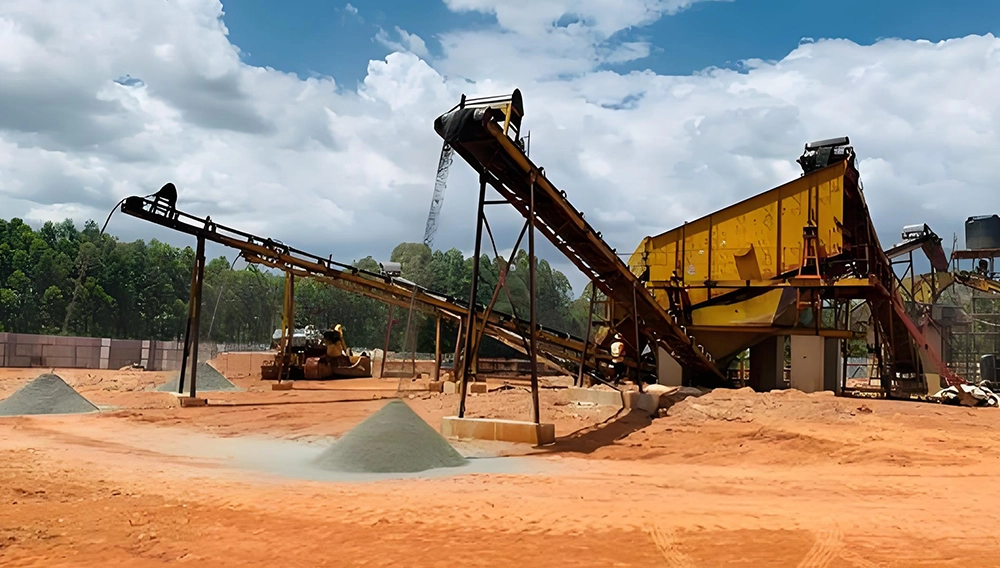
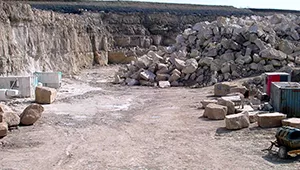
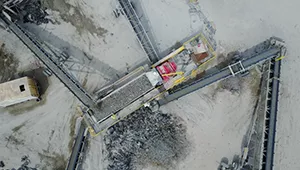
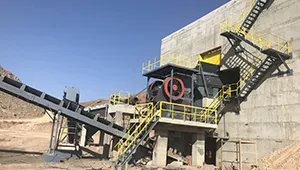
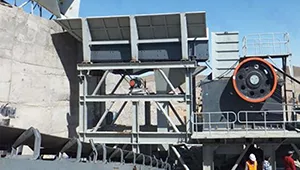
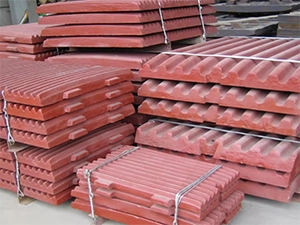
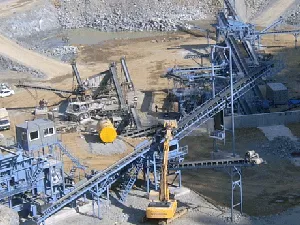
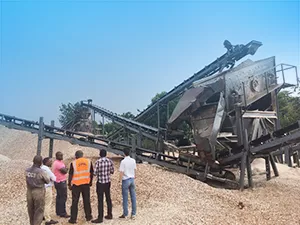
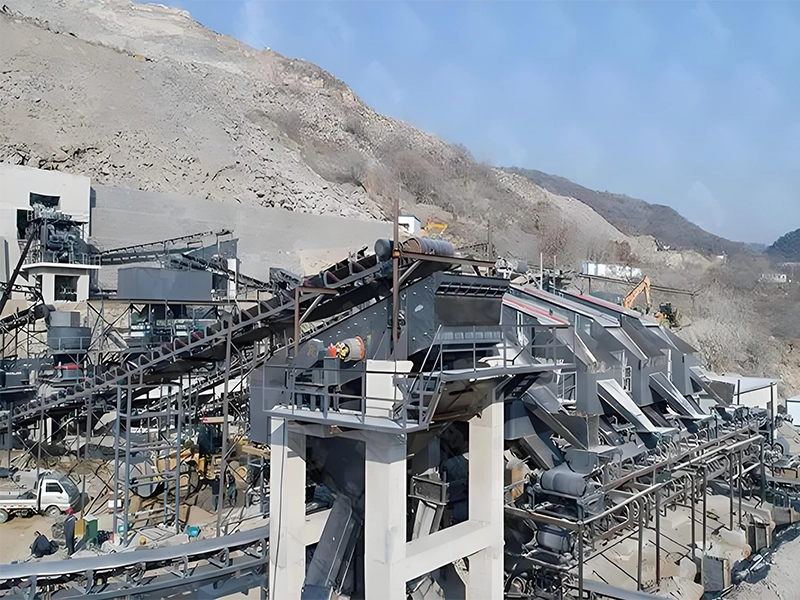
These project profiles illustrate application contexts. They do not replace material testing or a project-specific equipment selection.
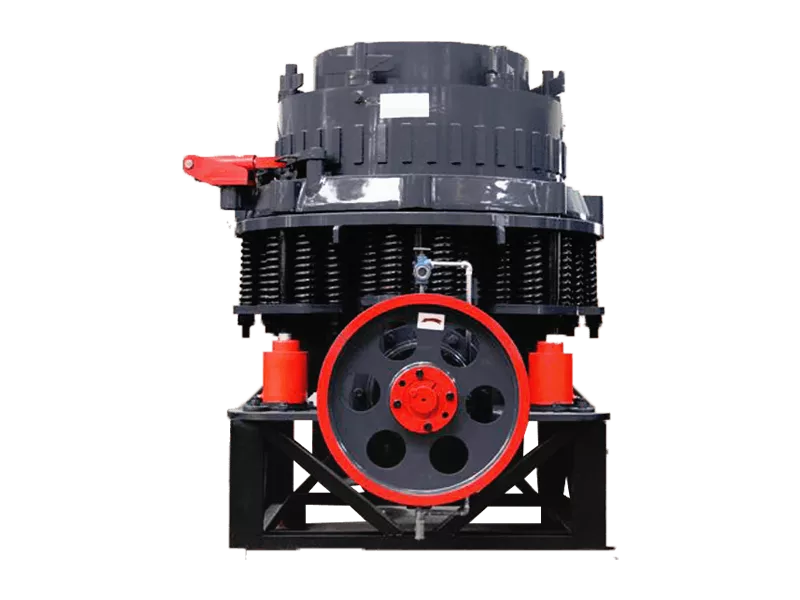
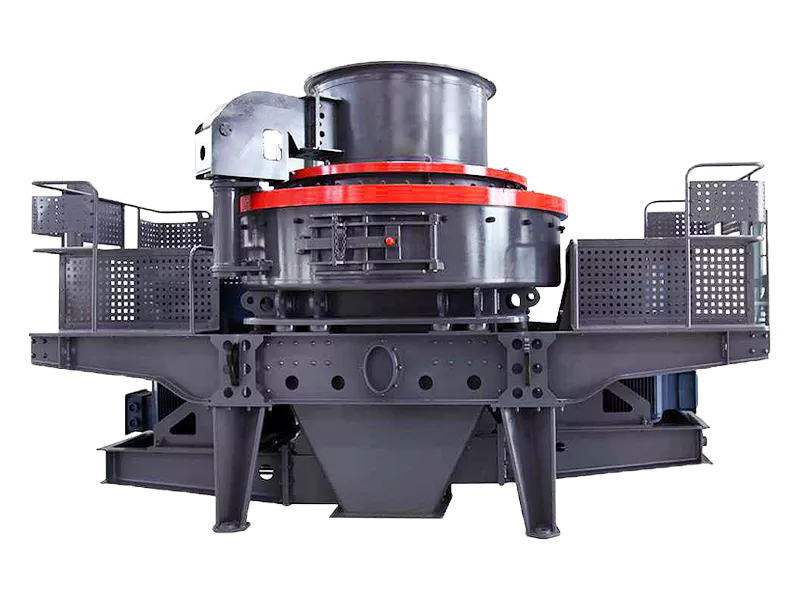
For equipment selection alongside these project examples, see the VSI sand maker and GP cone crusher. Their individual model ranges must be matched to the feed and product grading; the river-pebble project capacity refers to the complete production line.


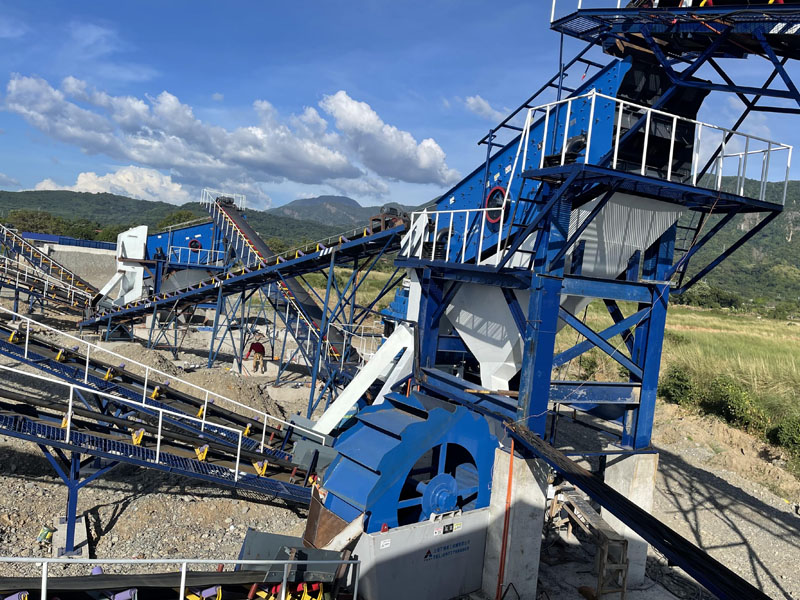
|
Tonnage
500T/H
|
Material
River Pebbles
|
|
Output
0-5mm 5-10mm 10-20mm 20-31.5mm
|
End Use
Aggregates
|
|
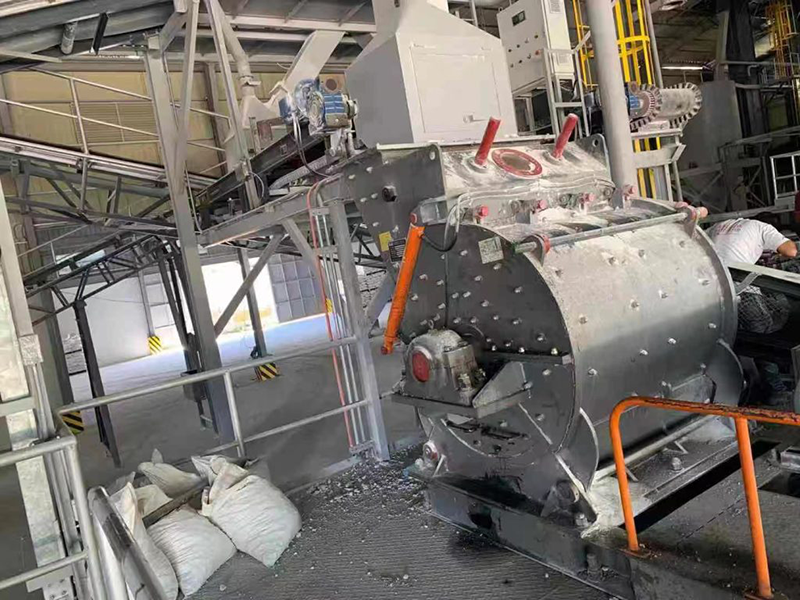
Tonnage
15T/H
|
Material
Granite
|
|
Output
0-1mm 1-1.5mm 1.5-2mm 2-3mm
|
End Use
For the use of his company's paint processing base.
|
|
Tonnage
500T/H
|
Material
Quartz
|
|
Output
0-5mm 5-10mm 10-20mm 20-31.5mm
|
End Use
Concrete mixing plant and local construction use
|