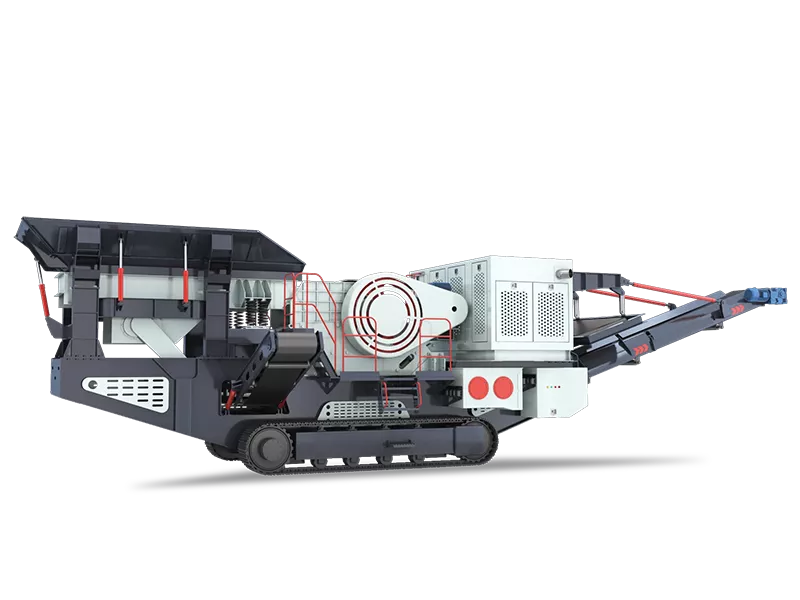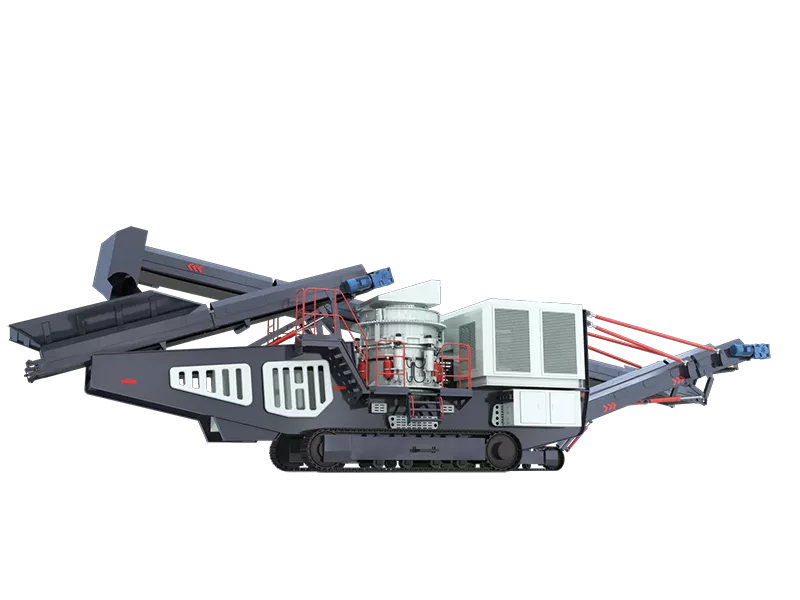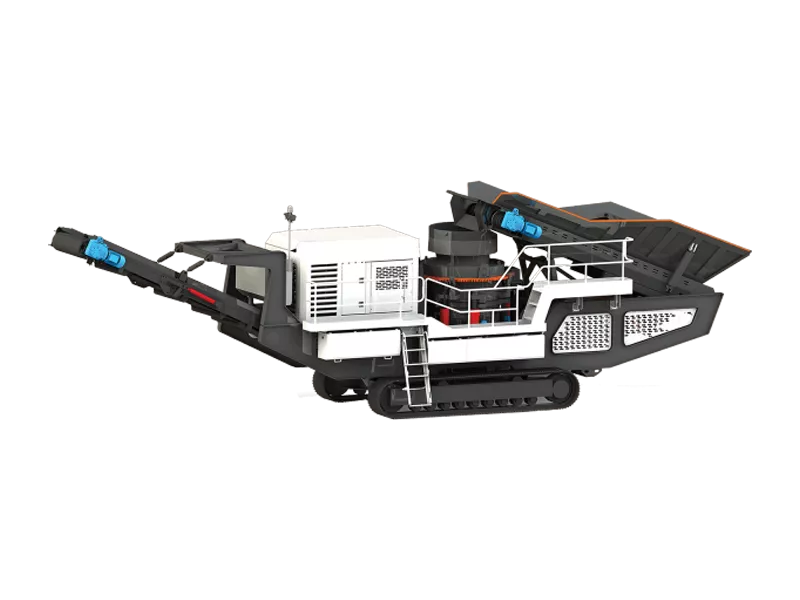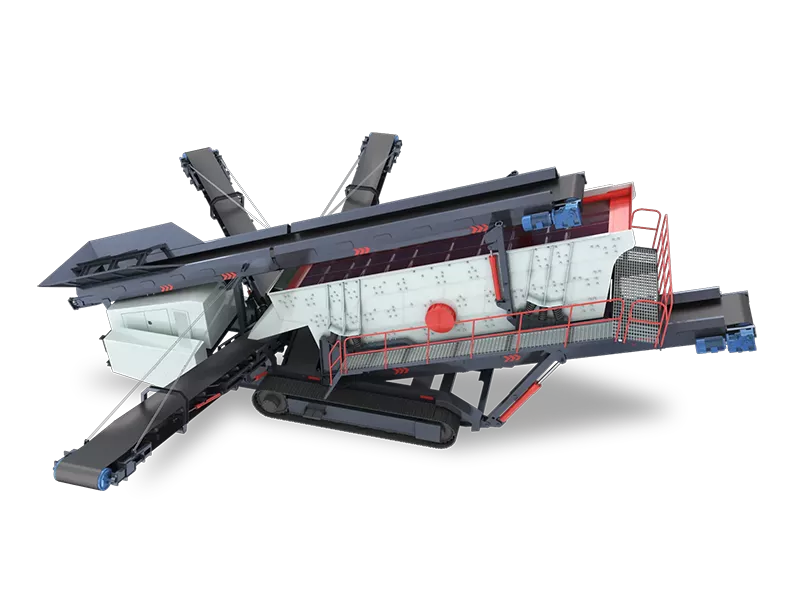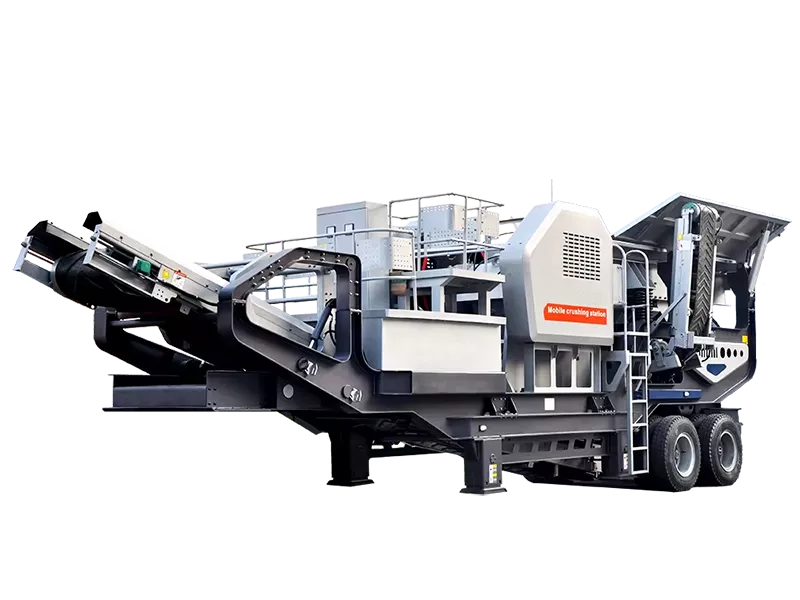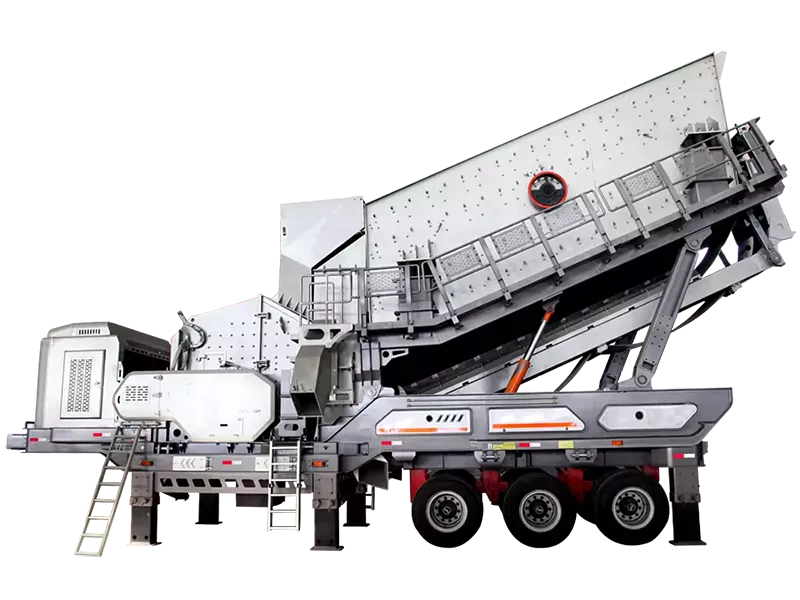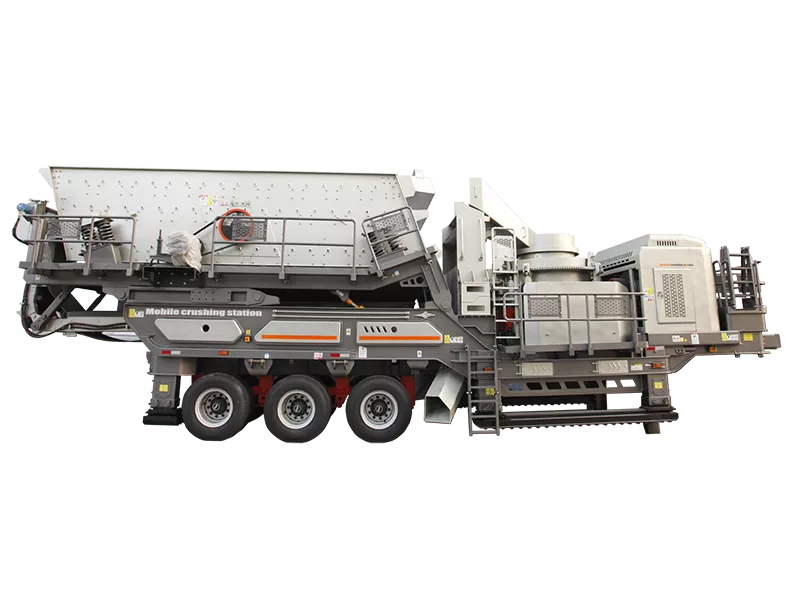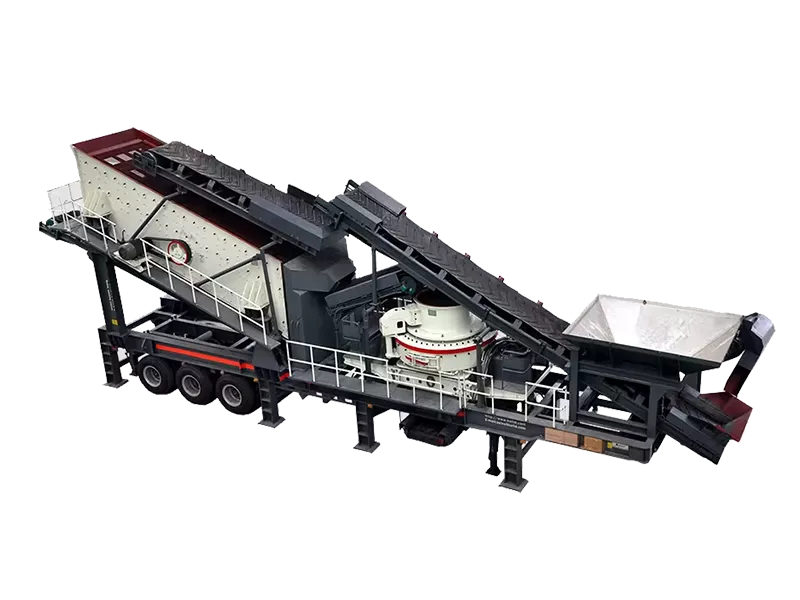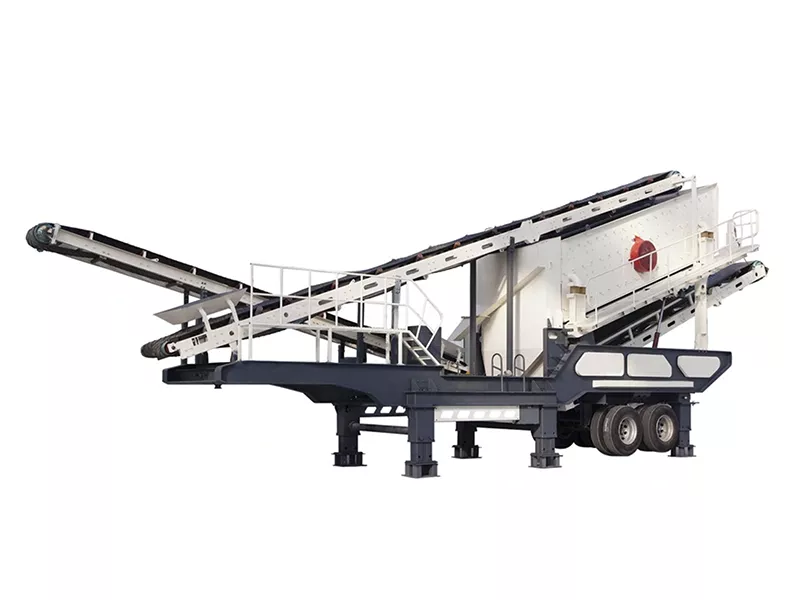
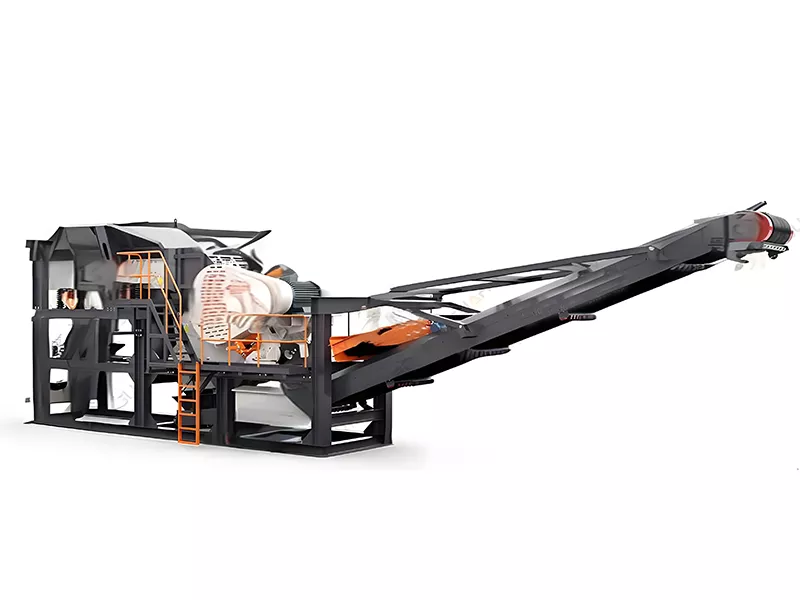
| Model | YG0830E4060 | YG0830E5075 | YG9538E6090 | YG1149E75110 | YG1249E9012 |
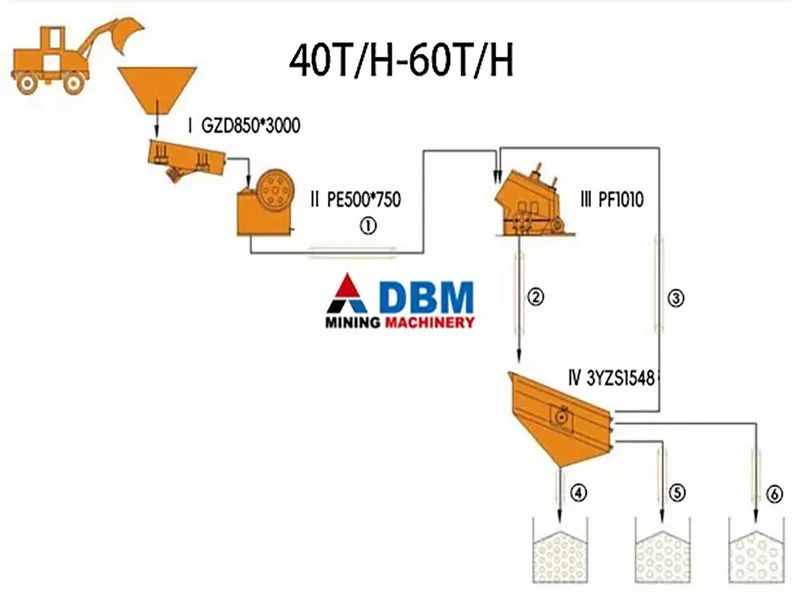
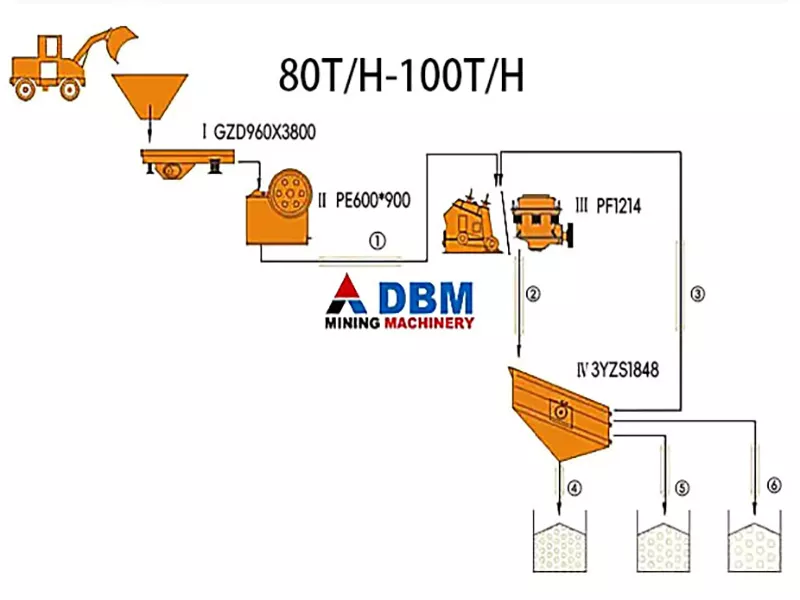
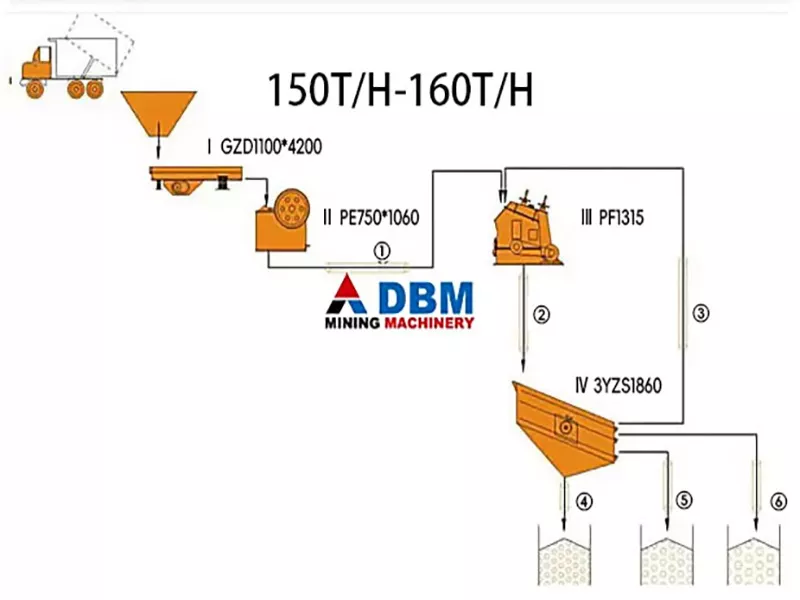
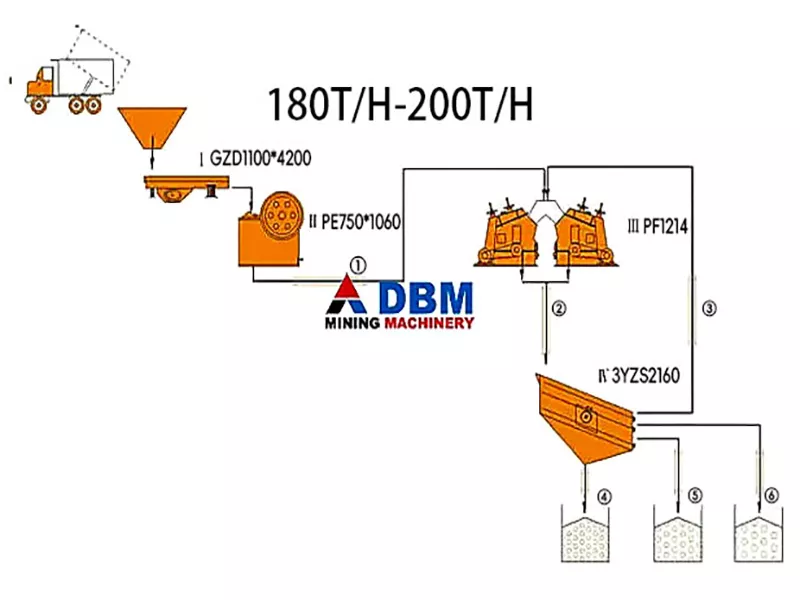
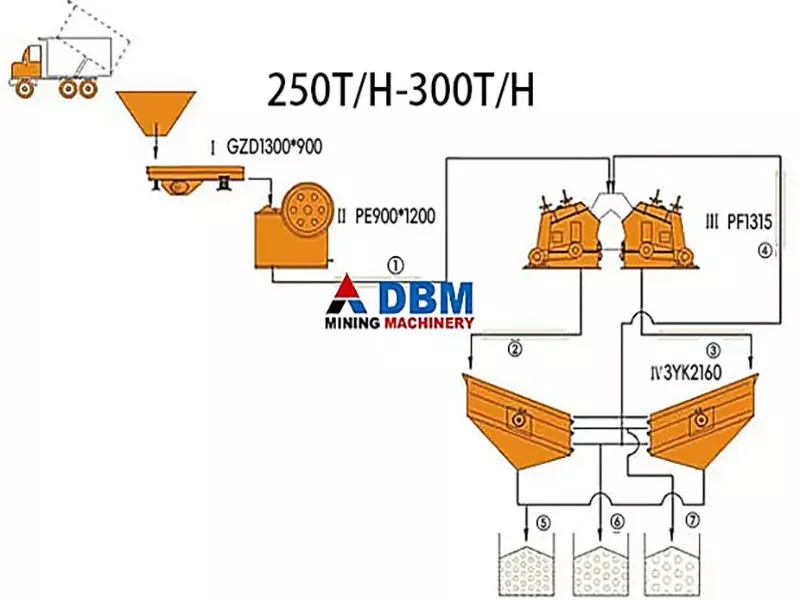
| Feeder model | GZD0830 | GZD0830 | GZD9638 | GZD1149 | GZD1149 |
| Crusher model | PEV400×600 | PEV500×750 | PEV600×900 | PEV750×1100 | PEV900×1200 |
| Iron remover model (optional) | RCYD(C)-5 | RCYD(C)-6.5 | RCYD(C)-8 | RCYD(C)-10 | RCYD(C)-12 |
| Main belt conveyor model | B500×8.5m | B650×8.5m | B800×8.5m | V1000×10m | B1200×10m |
| Secondary crusher model | PF1010 | PF1210 | PF1214 | PF1315 | PF1515 |
| Screening model | 3YA1237 | 3YA1548 | 3YA1860 | 3YK2160 | 3YK2470 |
| Main belt conveyor discharge height (mm) | 3000 | 3000 | 3000 | 3200 | 3200 |
| Side exit belt conveyor model (optional) | B500×4m | B650×4m | B500×4m | B650×5m | B650×5m |
| Side discharge belt conveyor discharge height (mm) | 2800 | 2800 | 2800 | 3100 | 3100 |
| Weight (excluding belt conveyor) (t) | 39 | 48.93 | 55.3 | 107.2 | 146 |


|
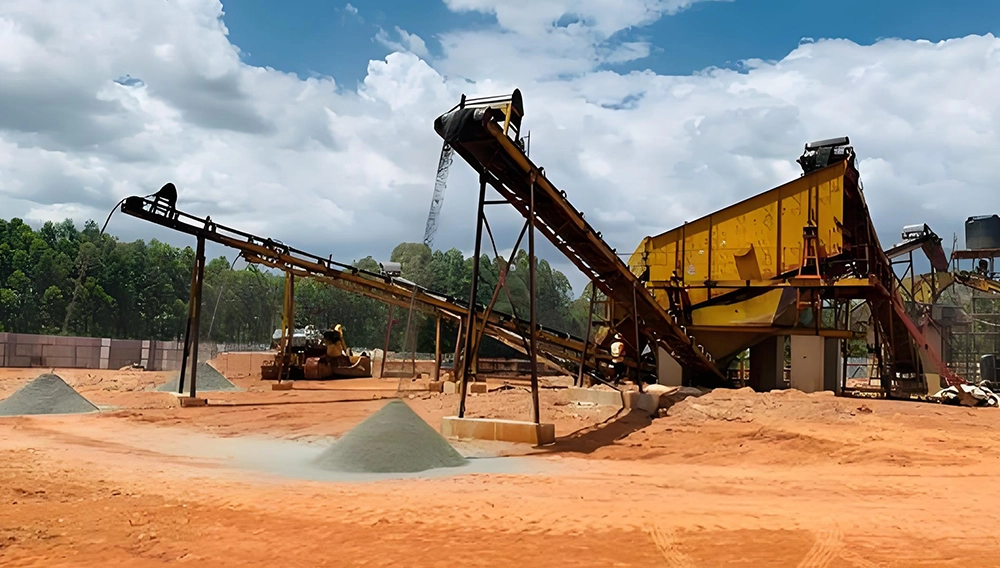
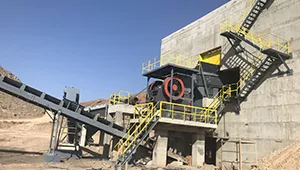
Tonnage
130T/H
|
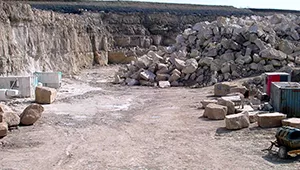
Material
Lapis Lazuli
|
|
Output
0-5mm 5-15mm
|
End Use
Aggregates
|