





SUPPORT

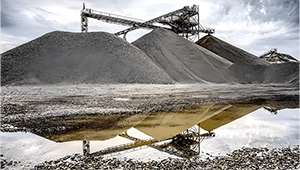
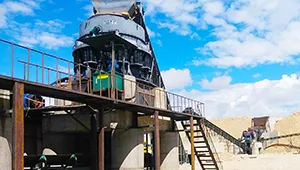
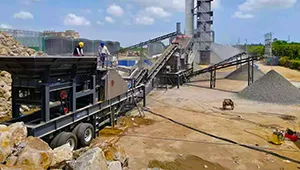
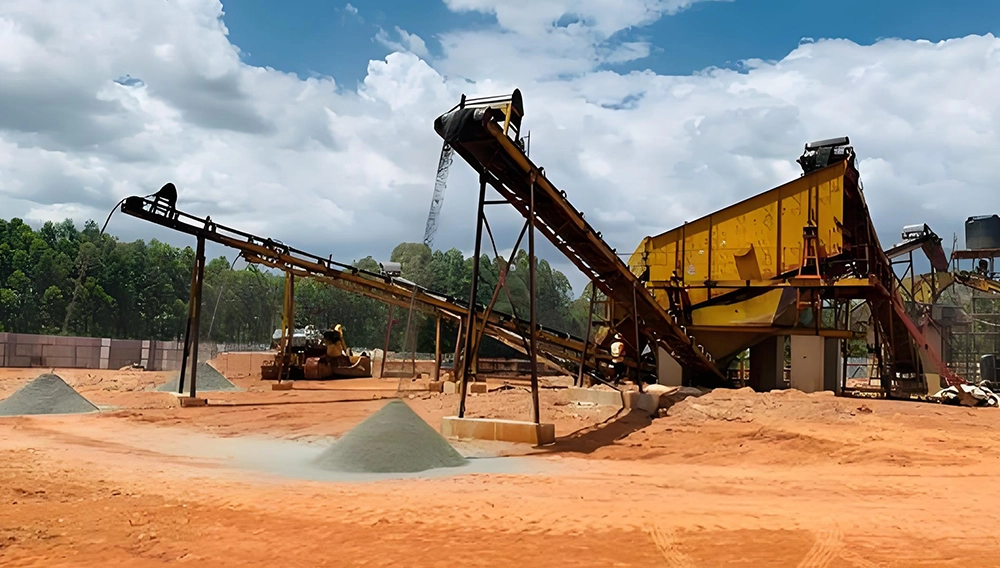
Road repair is mainly divided into two large surface, the following is generally called the roadbed, holding layer, mostly gray soil replacement, if there is water underground to do precipitation drain clean, there can be no open water,Sand and pebble replacements that need to be broken up by the crusher.

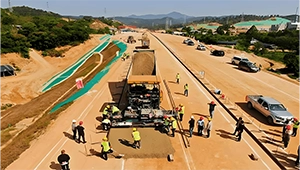
This depends on the original survey report to determine the kind of material to do roadbed. All need to be compacted to achieve the compaction coefficient of the design drawings. After the construction unit self-check, reported to the superintendent, and then reported to the quality inspection station, so that the designated laboratory to do the bending and sinking experiments (specific experimental methods can be searched for). (This is the most easy to fake place, because the general use of the method of human dominant factor is too much, mainly in the car weight on the fake, but also led to the late after a long time to produce an uneven settlement, cracking of the road surface) As for the question asked by the asphalt paving, from the asphalt mixing plant pulled out of the car car after the eight-wheeled paved to the work surface, with the paver with the paving machine directly in the roadbed, the specific practice is as follows:
elementary construction
Test sections are required for pavement subgrade construction. The test section is paved according to the location and area approved by the supervising engineer to determine the efficiency of the mixing, paving and compaction machinery and equipment used and the applicability of the construction method and construction organization, including the compaction coefficient of the mixture to reach the compaction degree at the optimum moisture content, the combination of compaction machinery, the minimum number of compaction passes and the whole construction process. The test section is approved by the supervisory engineer after qualified inspection before large-scale construction.
Lime fly ash stabilized soil grass-roots construction
(1) General requirements when the grass-roots compaction using 12 ~ 15t three-wheel roller rolling, each layer of compaction thickness should not exceed 15cm; with 18 ~ 20t three-wheel roller rolling, each layer of compaction thickness should not exceed 20cm. compaction thickness exceeds the above provisions, should be paved in layers, layered minimum compaction thickness of 10cm. when paved layer more than one layer, the first paved layer, the surface will be lightly raked loose, and paved the next layer before sprinkling water wet so that the latter layer combined with each other well. When paving layer is more than one layer, the first layer will be paved, the surface will be gently raked loose, and sprinkled with water and moistened before paving the next layer, so that the latter layer will be well combined with each other.
(2) Preparatory work ① in the newly completed and accepted under the bearing layer on the measurement of the restoration of the center line, straight section of every 20 ~ 25m set a row of piles, flat curve every 10 ~ 15m set a row of piles, and horizontal measurement to determine the thickness of the grass-roots level of paving. ② according to the supervising engineer's approval of the mix ratio in the yard with a forced mixer to produce aggregate, mixing should be: soil should be crushed; batching should be accurate; water content should be slightly more than the optimal water content; mixing should be uniform. ③Paving A. The piling time of the mixture should not be too long, especially in the rainy season construction must be done on the day of piling, the day of paving, shaping, crushing. B. Use the grader or paver to spread the mixture evenly according to the thickness of the paving, such as coarse and fine particles found to segregate, it should be mechanically or manually supplemented with the mix. ④Milling
A、After shaping, crush the mixture when it is in the best moisture content ±1%, if the surface moisture is insufficient, it should be sprinkled appropriately.B、Use more than 12t three-wheeled roller, heavy-duty tire roller or vibratory roller to crush within the full width of the roadbed. For straight section, grind from both shoulders to the center of the road; for flat curve section, grind from the inner shoulder to the outer shoulder. When rolling, the rear wheels shall overlap 1/2 of the wheel width and must extend beyond the joints of the two sections. When the rear wheel compacts the full width of the pavement, it is one time, and rolling is carried out until the required compactness. Generally need to crush 6 to 8 times. C. On both sides of the pavement, it should be pressed 2 to 3 times more. It is forbidden for the roller to turn around and brake sharply on the working section.D. Before the end of rolling, use the grader to level the road finally, so that the longitudinal direction is smooth, and the road arch and the super-high are in accordance with the design requirements. The final leveling shall be carried out carefully. ⑤ The surface should be lightly raked loose and wetted with water before construction of cement gravel layer cement fly ash stabilized gravel layer construction.
(1) Mixing and Transportation ① The mixing of cement fly ash stabilized mix shall be by plant mixing method. ② The equipment and arrangement location of plant mixing shall be submitted to and approved by the supervising engineer before mixing. Cement and aggregate should be weighed accurately, mixed according to the mass ratio, and add water in mass ratio. The time and amount of water added during mixing shall be recorded and submitted to the Supervising Engineer for inspection. (iii) When the mixing plant is far away from the paving site, the mixture should be covered during transportation to prevent water evaporation and to ensure that the loading height is uniform to prevent segregation. The unloading speed, quantity and paving thickness and width should be controlled. Mixed mixture should be paved as soon as possible. (2) paving and shaping ① paving must be approved by the Supervising Engineer's machinery, so that the mixture according to the required thickness of loose paving, paving evenly in the required width. ② paving mix moisture content should be higher than the optimal moisture content of 0.5% to 1.0%, in order to compensate for paving and rolling process of water loss. ③ When the thickness of the compacted layer exceeds 20cm, it shall be paved in layers, and the minimum compacted thickness shall be 10cm. the first paved layer shall be shaped and compacted, and after approval by the supervising engineer, the surface of the first paved layer shall be loosened up before continuing to pave the upper layer. And the road arch shall be shaped according to the specified road arch. (3) Rolling ① Immediately after the mixture has been paved and shaped, it shall be rolled over the full width. Straight section, from both sides to the center of rolling; super-high section, on the inside to the outside of rolling. Each pass shall be overlapped with the previous pass, so that the entire thickness and width of each layer is completely and uniformly compacted to the specified degree of compactness. After compaction, the surface should be smooth without wheel tracks or bulges, and the section is correct, and the road arch meets the requirements. ② During the rolling process, the surface of the mixture should always be kept moist. If the surface water evaporates quickly, a small amount of water should be sprinkled in time. ③ Prohibit the roller in the completed or being rolled on the road "turn around" and brake sharply to ensure that the surface of the structural layer is not damaged. (4) Nurture ① should be immediately after the completion of rolling to nourish. Sprinkler often sprinkler, the number of sprinkler per day should depend on the climate. Requirements in the entire period of maintenance always keep the surface moist, should not be dry and wet. ② Nourishment should not be less than 7 days. In addition to sprinklers, should be closed to traffic.
Asphalt paved very quickly, but very hot, if I remember correctly, just out of the 130 degrees or so, that is, when paving is also nearly a hundred degrees of heat, very, very, very hot, workers wear what shoes are not, the asphalt avalanche to the scalding death is inevitable, this also has the temperature requirements, the average daily temperature is less than 5 degrees can not be paved asphalt. There is also that smell, say no poison you believe? This is still the improved type, much better than before.
Asphalt pavement, as long as the paving is completed in accordance with the requirements, compaction, sprinkler sprinkler two times can go. Repairing the road is generally municipal maintenance of the pull of boiled asphalt, the stubble part of the treatment, sprinkle some water, paving a little bit of asphalt a flattening finished.
Roads are most likely to have problems around the wellhead, rainwater wells sewage wells pipe wells around these wellheads, why? Because or before the compaction problem, around one meter around the wellhead roller pressure can not, only manual electric line ram, aggravated frog ram, the construction unit to worry about, the supervisory unit due diligence will be good. Otherwise do not have to look, three months without problems do not laugh, at least we are this is a package of one year, one year without problems before the money will all give you.