> RESOURCES > NEWS > Cobblestone crushing process production process
Cobblestone crushing process production process
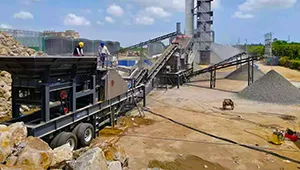
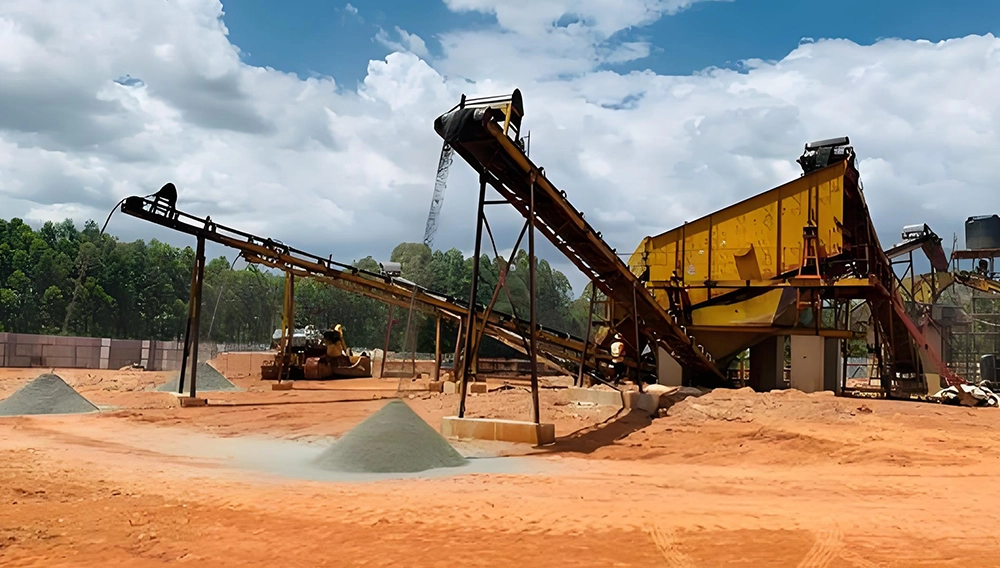
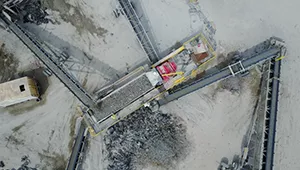
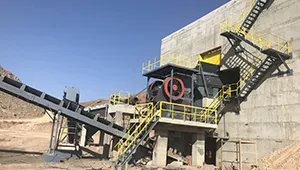
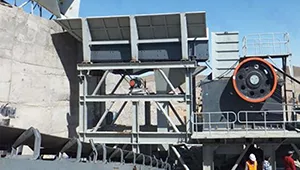
Pebbles are one of the important raw materials for machine-made sand. Since the country banned the mining of river sand, cobblestone sand making has become a common target, because the finished machine-made sand after crushed cobblestones is of good quality and can meet the requirements of various urban construction projects. With the recent development, The price of sand and gravel has continued to increase in the past few years, and machine-made sand has become a hot material. So what is the process of making pebble sand? What is the crushing process? What crushers are needed? Pebble sand making process: Based on our company’s many years of design experience, cobblestones come from a complete production line from design, construction, and sand making. The equipment and performance required at each stage must be mastered and controlled to pave the way for the quality of the subsequent sand and gravel materials. The following is an explanation of the cobblestone process: 1. Jaw crusher is the first crushing equipment for pebble crushing. First, the materials are transported from the feed bin to the jaw crusher through the vibrating feeder, and then the jaw crusher performs coarse crushing processing. Jaw crusher model The selection should configure appropriate equipment according to the size and output of the material. 2. Build a small regulating silo at the feed of the cone crusher to feed the cone crusher evenly and fully, so as to produce qualified finished products with better particle shape. 3. After the cone crusher crushes, the materials are graded and screened through the circular vibrating screen. The upper layer of materials larger than the finished product returns to the cone crusher for re-crushing. The lower layer is transferred to the three-breaking cone sand making machine for shaping, and passes through the next layer. The materials are graded and screened by the circular vibrating screen. The materials on the upper screen surface are returned to the cone sand making machine for re-crushing, and the lower layers are screened into the required finished materials at all levels. 4. The finished materials go from the chute to the spiral sand washing machine for sand washing, and the fine sand is processed with a fine sand recovery device. The final finished sand is then transported to the finished product area by a belt conveyor. Advantages of this pebble sand making process: 1. In order to ensure the continuity of production of the entire production line, the production line is designed and arranged with a central material yard. The advantage of this is that each section can be produced separately, and the normal production of the subsequent production lines will not be affected by the maintenance, repair and maintenance of the machine equipment in the front section. , it is also possible to achieve time-sharing production and rationally utilize peak and valley electricity prices, which can also save operating costs to a certain extent. 2. This production line is equipped with two sitting inertial vibrating feeders under the intermediate material yard to reduce the dead volume of the intermediate material yard. The control switch of the feeder is installed on the operation cabinet of the main control room. The feeding amount can be controlled as needed to ensure the production conditions of full cavity feeding of our company’s cone crusher. This not only enables full-load production to obtain greater production volume, but also produces finished materials with qualified particle shapes. 3. This production line adopts three-stage crushing and fully considers the matching of technical parameters between crushers at all levels. This can not only ensure the particle quality of the product to the greatest extent, but also handle the requirements of various types of crushers better. Crushing ratio requirements. 4. This production line for sand production is economical, practical, energy-saving and environmentally friendly. The sand has good particle shape and reasonable gradation. It belongs to medium sand. All indicators meet the national standards and it is a high-quality concrete aggregate.