


SUPPORT

On July 18, 2017, China's Ministry of Environmental Protection (MEP) submitted a document to the World Trade Organization (WTO) requesting an urgent adjustment of the list of imported solid wastes to prohibit the import of four categories and 24 types of solid wastes, including highly polluting solid wastes such as waste plastics from domestic sources, vanadium dregs, unsorted waste paper and waste textile raw materials.
Since January 1, 2018, China's ban on "banning the entry of foreign garbage to promote the implementation of the reform of the import management system of solid wastes" has come into force, which has had a significant impact on the export of solid waste from Europe and the United States. According to a Reuters report on March 24, the United States asked China not to further ban the import of scrap metal at the March 23 meeting of the WTO Committee on Trade in Goods.
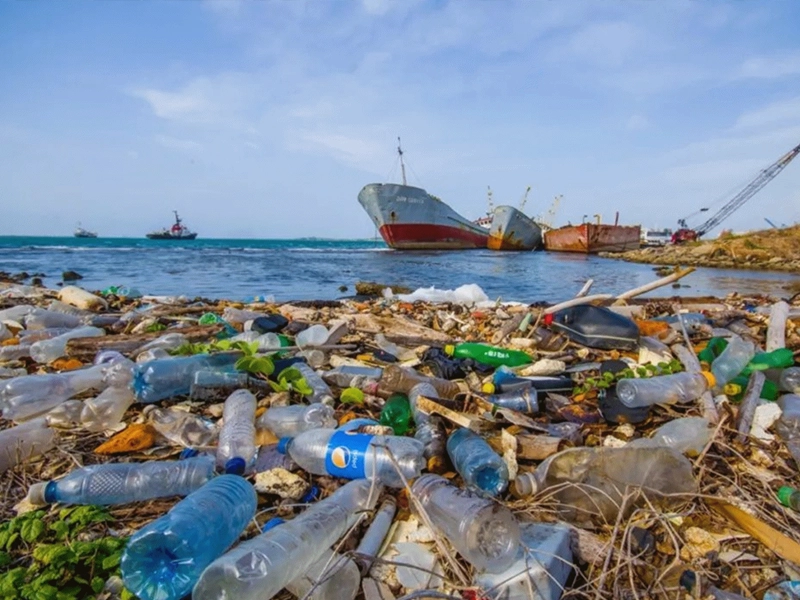
According to statistics from the Ministry of Commerce, in 2016 China's solid waste imports are mainly scrap iron and steel, scrap non-ferrous metals, waste plastics, and waste paper, these four major items combined imports reached 40.87 million tons, an overall decline of 4.40% compared with 2015. 2017 by the domestic 'ban on foreign garbage' series of policies, since September China's solid waste imports have declined significantly in size.
As the effect of the domestic policy of banning foreign garbage imports continues to strengthen, the domestic renewable resources market will usher in significant development opportunities. As a matter of fact, many items in life that have become garbage can be processed by professional equipment and transformed into resources that can be used for recycling. For example, in the process of urban modernization, the construction waste from the demolition of buildings can be processed through the professional sorting, screening, crushing and other processes in the Red Star mobile crushing plant, and then turned into aggregates that can be used for paving and construction, which not only alleviates the current shortage of resources, but also reduces the pollution of the environment and arable land.
In addition, improve the garbage classification system, good front-end processing is also very critical. The construction of the domestic recycling system needs to be further increased, if the garbage classification is not thorough, the quality of the recycled waste is difficult to get high value utilization. The recycling industry should accelerate the whole industry chain layout and refined operation, innovate the recycling mode, and promote the transformation and upgrading of the industry.
To create a good production and living environment for the people and contribute to global ecological security, China has made an example, and the refinement to the enterprise should also accelerate the innovation and production, in order to make a contribution to a better life.


